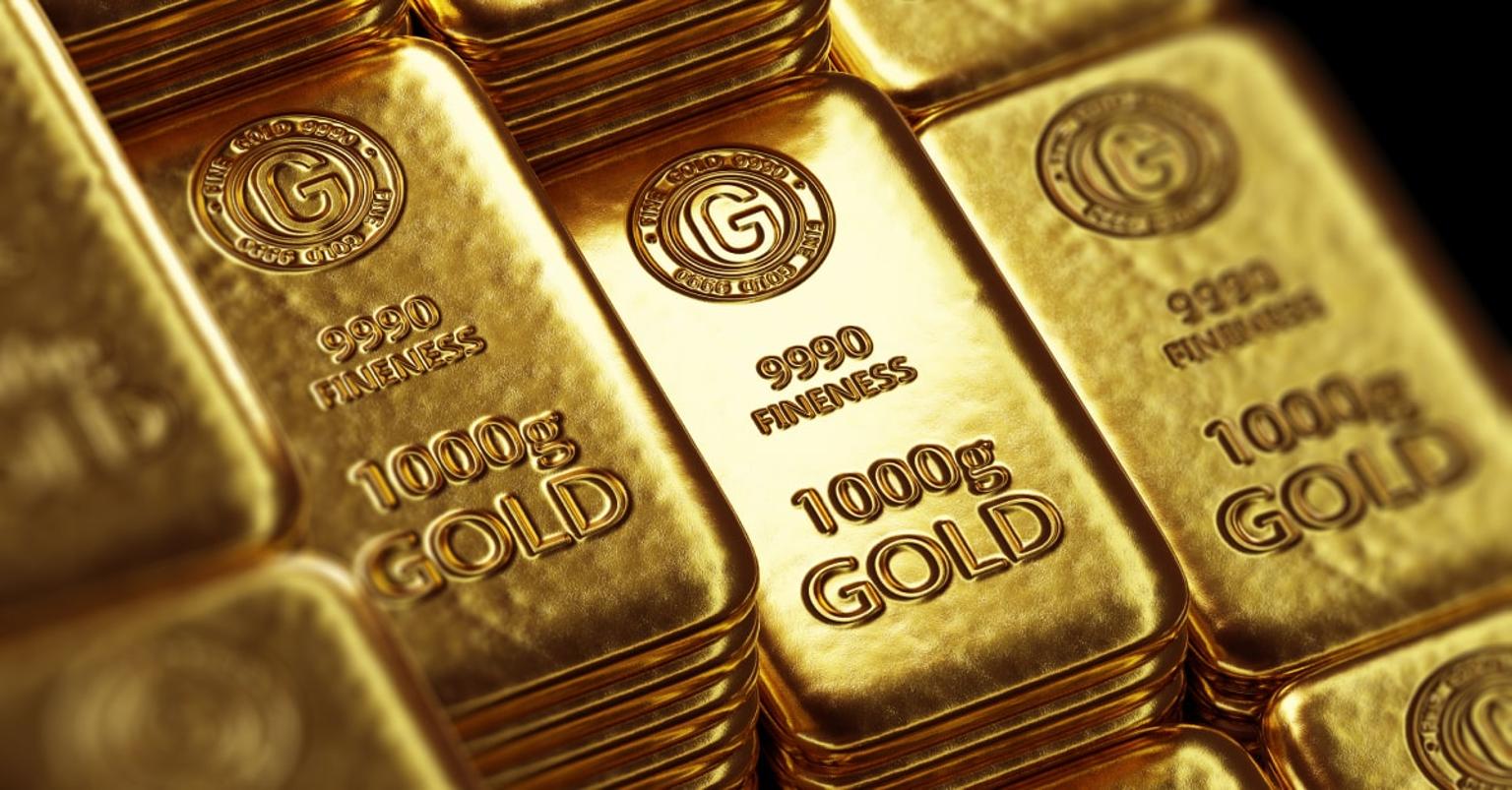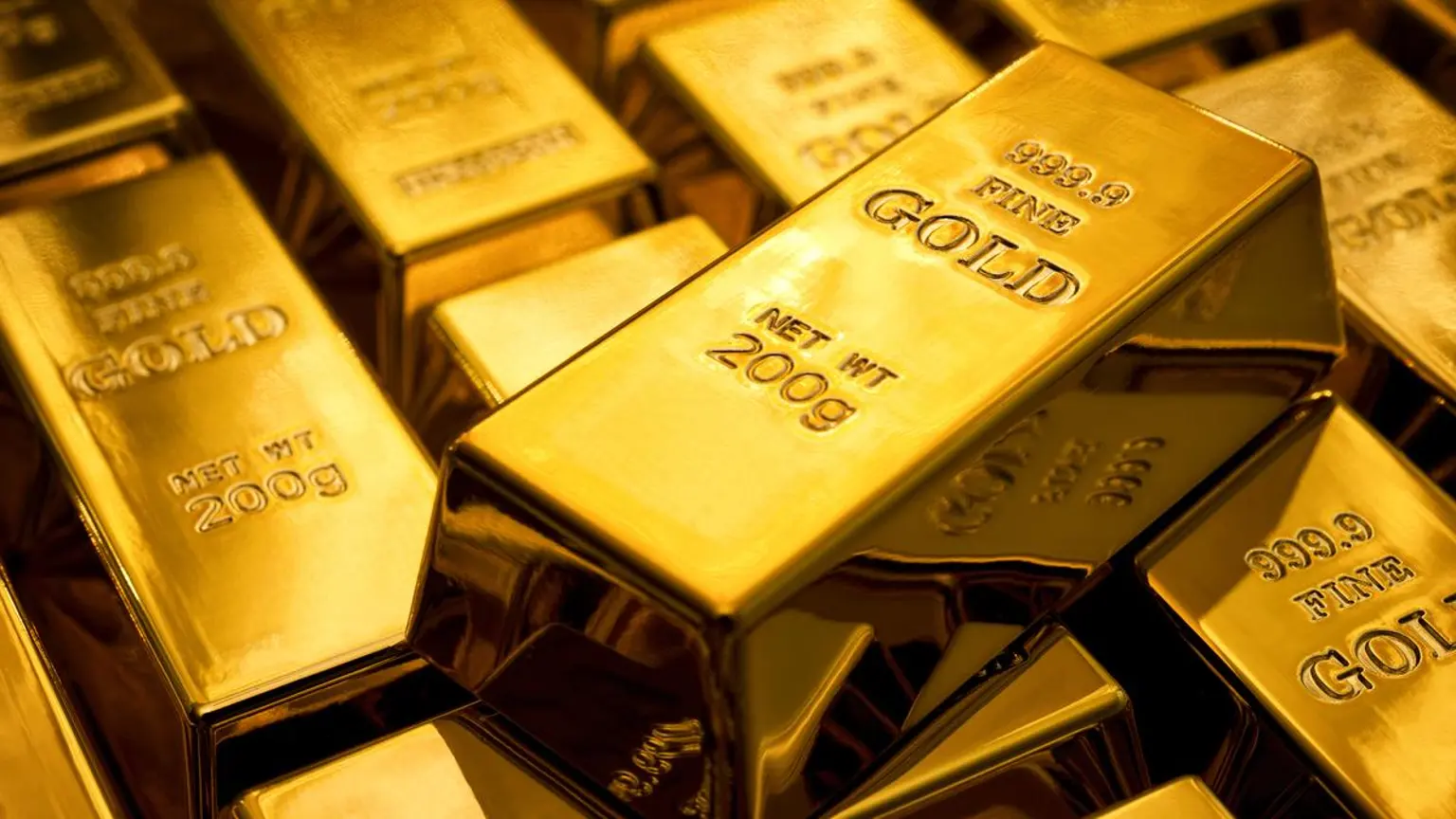
Even if we are only halfway through January, ‘long metals’ is already staking its claim to be the trade of the year, with both precious and base metals continuing to print record highs on a near daily basis, and bullish drivers for the complex remaining numerous.
Clearly, gold has stolen the lion’s share of participants attention, with bullion continuing to trade very well indeed, clearing $4,600/oz for the first time on record. Other precious metals, though, haven’t been left behind, with silver north of $90/oz for the first time in history, having gained around 30% this year already, while platinum and palladium have also traded in solid fashion.
As noted, though, these gains are not confined to the precious metals space. Copper has also continued to print a series of record highs, trading above $13,000 on the LME for the first time, while other industrial metals such as tin have also printed new highs.
Naturally, this begs the question not only of what is driving the rally, but also as to whether these moves can continue as the year progresses.
In terms of drivers, there are numerous catalysts that have been driving upside in the complex, including:
- Ongoing demand from market participants for ‘hard’ assets, amid continued concerns over runaway government deficits across DM, which are clearly being exacerbated by a lack of any sign of fiscal restraint, or desire to reign in borrowing
- Continued concerns over the erosion of Fed policy independence, spurred on by the DoJ having sent subpoenas to the Fed last week, ostensibly as a result of cost overruns regarding office renovations, though in reality a further attempt by the Trump Admin to pressure policymakers into a looser policy stance
- Momentum trends remaining in vogue, with trend following having been one of the most profitable strategies in recent years, and with record highs continuing to beget further record highs, as precious metals in particular turn from a non-trending asset, to increasingly one with a natural upside bias
- Geopolitical concerns, ranging from the Trump Administration’s increasing desire for control over spheres of influence in the Americas – ranging from Greenland to Venezuela – as well as rising tensions in the Middle East, as the situation in Iran deteriorates further
- Industrial demand which, while not necessarily driving gold, is propelling other assets within the complex to the upside, as participants increasingly price a world where demand for key rare earths, and other resources, vastly outpaces supply for the foreseeable future
- Tariff risks, on the back of the Trump Admin having placed numerous metals, including silver, on a list of key minerals, meaning that if the metal is shifted out of the US, there is the risk that a tariff is imposed when the time comes to re-import what has previously left the country, leading to a degree of hoarding
- Physical shortages, largely on the back of the aforementioned trade risks, with exchanges in Europe and Asia to a degree struggling to fulfil settlements, amid a lack of appetite to take silver out of the US, in turn driving lease rates substantially higher, and resulting in a significant degree of backwardation in futures curves, most notably in silver
Assessing the outlook, given the above factors, becomes a relatively straightforward task. While, in the short-term, there is undoubtedly some risk that we do see a pullback in the metals complex, the medium- and longer-run path of least resistance for both precious and base metals likely continues to lead to the upside, unless and until any dents in the aforementioned bull case emerge, leaving any dips that may eventuate as buying opportunities.