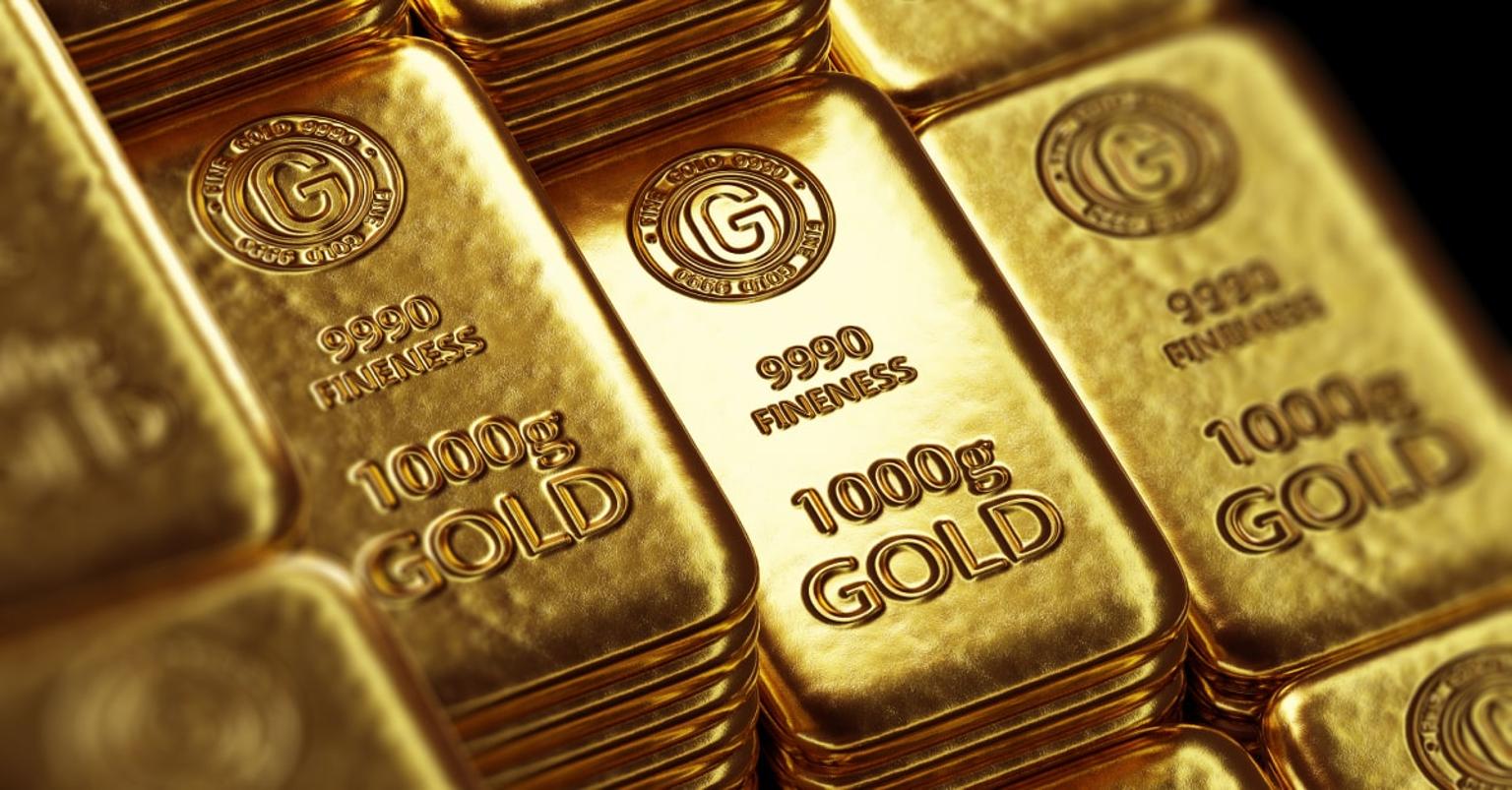
Gold surged 5.2% last week, clearing $4,600 and hitting a three-month high. The U.S. Treasury's expansion of medium- and long-term bond buybacks, combined with a weaker dollar and growing concerns about U.S. fiscal discipline, drove gold through resistance that had held for several months. This week, geopolitical developments, July PCE, and Warsh's address at Jackson Hole are the three key variables that will determine whether the rally can hold.
Last week, gold's bullish momentum built steadily. Early in the week, soft U.S. economic data provided support, though a flare-up in geopolitical tensions briefly pushed prices back.
The real acceleration came when the U.S. Treasury announced it would expand its buyback program for medium- and long-term government bonds. The news pulled long-end Treasury yields modestly lower, weakened the dollar in tandem, and reduced the opportunity cost of holding gold. Growing market concerns about U.S. fiscal discipline added further fuel, reinforcing gold's appeal as a hedge against credit risk.
Heading into this week, geopolitical developments, July core PCE, and Warsh's Jackson Hole address are the three variables most likely to shape gold's next move.
Technical Outlook: 200-Day Moving Average Cleared — $4,660 Is the Next Key Resistance
On the XAUUSD daily chart, gold has been pushing steadily higher since mid-week last week. Price broke through the 200-day moving average near $4,500 and has since established itself above $4,600.
RSI has now moved into overbought territory above 70, raising the risk of near-term profit-taking. That said, fading a trend solely on technical grounds — without a meaningful shift in the fundamental backdrop — warrants caution.
In the near term, $4,500 is an important level for bulls to defend. A break back below it would put $4,437 — the high of August's consolidation range — back in focus.
If upside momentum continues, $4,660 is the immediate resistance to watch. A convincing break above that level would bring the mid-May high near $4,770, and then the $4,890–$4,900 area, into view.
Treasury Buybacks: The New Variable Behind Gold's Move
One of the core drivers of this breakout is the U.S. Treasury's decision to expand buybacks of medium- and long-term bonds.
The buyback operations pushed long-end yields lower in the short run, weakened the dollar, and provided a tailwind for a non-yielding, dollar-denominated asset like gold. Yields subsequently bounced, however — a sign that market concerns about the U.S. long-term fiscal outlook have not gone away.
With inflation still running above target, fiscal deficits continuing to widen, and large-scale AI corporate bond issuance competing with Treasuries for long-duration capital, traders are paying renewed attention to questions about U.S. fiscal sustainability.
The implication for gold goes beyond the straightforward "lower yields = good for gold" trade. More importantly, the buyback episode may be reinforcing deeper, longer-term concerns about fiscal discipline, debt sustainability, and the credibility of the dollar — all of which strengthen gold's role as a credit hedge.
Geopolitics and Trade Friction: Gold Caught Between Competing Forces
Geopolitical risk is heating up again at the same time.
Both Trump and Bessent have signaled that the U.S. intends to intensify economic pressure on Iran, warning that countries supporting Tehran could face sanctions. Brent crude has continued to climb, and long positions in European diesel have expanded noticeably. If Iran retaliates and transit through the Strait of Hormuz remains constrained, oil prices could push higher still.
For gold, elevated oil prices risk pulling rate expectations in a hawkish direction — a headwind for the rally. At the same time, the threat of stagflation could limit how far gold pulls back.
Trade friction is also worth watching. Following the breakdown of U.S.-Canada negotiations, Washington announced further tariff increases on a range of Canadian goods, and Canada has signaled it will respond in kind. Escalating trade tensions could add to broader market uncertainty and support gold's safe-haven bid.
This Week: Geopolitics, PCE, and Warsh — Three Variables to Watch
The broad picture is one of improving momentum. Central bank buying continues to provide a structural floor, while a weaker dollar, fiscal concerns, and trade tensions are reinforcing gold's appeal. The main risk to the bull case remains energy prices — if oil keeps rising and pulls inflation expectations and rate pricing higher with it, that puts pressure on the rally.
This week, three variables will determine whether gold's gains hold.
First, geopolitical developments.
Bessent is expected to lay out more details on the planned "economic isolation" of Iran. If the sanctions announced are materially broader than the market expects, oil could push higher and rising real yields could weigh on gold. If the announcement comes across as more of a statement of principle than a concrete plan, markets will likely treat it as "all bark and no bite" — and any pullback in geopolitical risk premiums could give gold bulls some breathing room.
Second, July core PCE.
Wednesday's July core PCE will be an important data point for reassessing the Fed's policy path. The consensus expects a monthly gain of 0.2%, a step up from the prior reading.
A materially hotter print could prompt markets to revisit the odds of a September hike, putting near-term pressure on gold. If inflation stays contained, expectations for the Fed staying on hold are likely to hold firm — supportive of gold's continued strength.
Third, Warsh's Jackson Hole speech.
Warsh speaks on Friday, just 19 days before the September 16 FOMC meeting. Markets will inevitably be looking for any signal in his comments on inflation, labor markets, and the policy framework.
The environment Warsh is navigating is not straightforward. If he stays silent on the rise in long-term yields, financial conditions could tighten further on their own. If he signals that he is comfortable with higher long-end yields, he hands bond bears exactly what they want. But if he pivots in a dovish direction and tries to talk yields lower, he risks raising questions about the Fed's commitment to controlling inflation and its overall policy credibility.
What matters most from Warsh's speech, then, is not a simple hawkish-or-dovish read — it is how he chooses to navigate the tension between inflation, employment, long-end yields, and the Fed's credibility.
Whatever signal Warsh ultimately sends, ongoing economic uncertainty and market concerns about the risk of a policy misstep are likely to remain a supportive backdrop for gold.