Tesla has once again found itself at the center of market controversy. Shareholders approved Elon Musk’s so-called “trillion-dollar” pay package with roughly 75% support, sending a clear signal in the short term: the company’s core execution is temporarily secured, and its strategic direction has received shareholder backing.
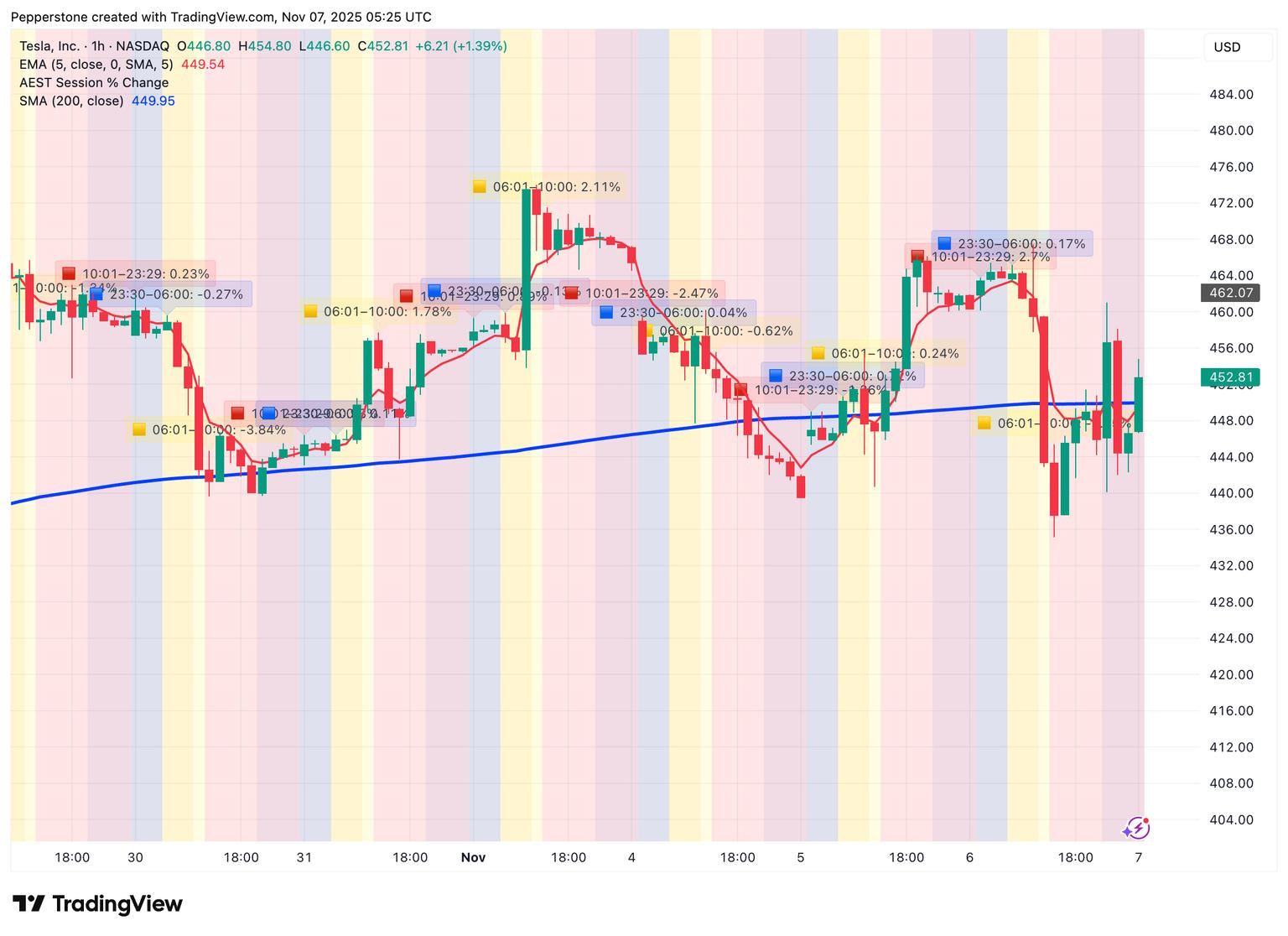
Following the announcement, Tesla’s stock surged more than 3% in after-hours trading on Thursday, before ultimately closing down 3.5%. The price action suggests that the market is placing more value on the reassurance that “Musk stays at the helm” than on the sheer size of the compensation package.
However, the complexity of the plan, along with its ambitious scale and stringent milestones, is daunting. From market cap targets to annual delivery goals, and from robot development to autonomous driving commercialization, every milestone presents a significant challenge.
These objectives test not only technological breakthroughs but also regulatory approvals, market adoption, and broader macro conditions. In other words, this plan is as much a test of Tesla’s business model as it is a bet on the pace of the entire tech industry.
Short-Term Optimism, But Risks Loom
Shareholders’ willingness to back this pay plan is driven by two key psychological factors. First, it tightly links Musk’s personal success to Tesla’s future performance. Concerns over a potential departure of the company’s key figure are temporarily alleviated, providing the market with a sense of certainty.
Second, it signals confidence in Tesla’s strategic direction. For years, the market has viewed Tesla less as a car manufacturer and more as an “AI-driven automation company.” The pay plan effectively stakes the company’s future on high-growth businesses such as artificial intelligence, robotics, and autonomous driving—making it attractive to traders bullish on these sectors.
Yet, high rewards come with high risks. The most concerning factor is the asymmetry between the difficulty of achieving these targets and the time available. Tesla may be a technological leader, but translating breakthroughs into profitable business models takes time. If robotaxis or humanoid robots fail to reach commercial viability as planned, or regulatory progress lags, the company’s cash flow and capital efficiency could face significant strain.
Moreover, the plan could lead to substantial share dilution. If growth in performance metrics does not keep pace, EPS could decline, and shareholder returns may be diluted, undermining long-term investor confidence.
Another deeper risk is the further concentration of power in Musk’s hands, potentially weakening board independence. Long-term investors sensitive to governance may respond with caution, either by taking a wait-and-see approach or by adjusting their positions.
After the Hype, Delivery Is Key
For U.S. stock traders, the approval of Tesla’s pay plan carries multi-layered market implications. In the short term, the tech sector may respond positively to sentiment, particularly stocks related to AI and robotics. The market may associate the plan with growth potential, drawing short-term capital inflows that support the stock.
However, medium- to long-term performance depends heavily on execution. Investment logic must focus on measurable, core indicators: progress in autonomous driving regulation, commercialization of robotics, improvements in free cash flow, and capital expenditure efficiency. Only when these key milestones are met can market confidence be validated.
If Tesla fails to achieve meaningful progress in these core areas over the next 12–24 months, the stock could see a significant pullback, with potential spillover effects across the tech sector.
Overall, the market has given Musk a symbolic vote of confidence, but the real test is just beginning. Traders and investors must closely track the pace of strategic execution and key milestones, as these will ultimately determine Tesla’s stock trajectory and market sentiment.